


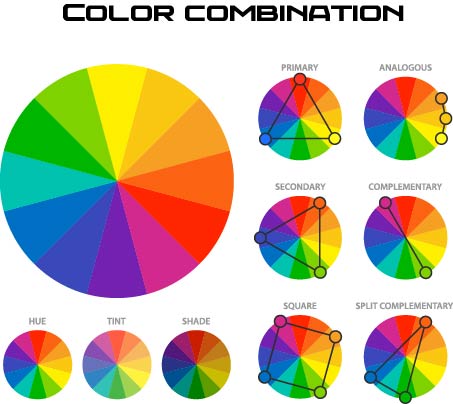
Colors trigger emotions, affect decision-making, and even have great symbolic connotations across cultures, spiritual practices, and art, thereby beyond their mere visual experience. Whether you are a designer, an artist, or someone investigating the minute subtleties of color theory, knowing the symbolism of colors can change everything.
This blog will provide you a thorough color symbolism chart breaking down the kinds of colors, their spiritual connotations, and how they fit into various situations including color plates, color themes, and harmonic pallets. We will also offer doable advice on how to use color symbolism into your personal projects or design.
What is Color Symbolism?
Color symbolism is fundamentally the theory that colors have meanings. Cultural customs, psychology, spiritual beliefs, or even historical settings can all help one to understand these meanings. In Western societies, white, for instance, usually denotes purity yet in some Eastern traditions it may converse with grief.
Designing successful color themes or producing emotionally interesting artwork depends on knowing how colors affect emotions, behaviors, and spiritual interpretations.
Why Does Color Symbolism Matter?
Colors could:
- Shape conceptions
- Send messages silently.
- Emphasize strong feelings or set the atmosphere of a place.
- In marketing, influence purchasing practices
- Reflect cultural or spiritual ideas.
For any project, the correct color plates and themes will help you to arouse strong, consistent feelings.
Breaking Down Color Symbolism by Shade
The Meaning of Primary Colors
Red
- Passion, life, drive, and love—symbolism.
- Spiritual connotation reveals root chakra, anchoring, and vitality.
- Using:
- Marketing campaigns focused at inspiring behavior.
- Providing home design or artistic warmth; stimulating, urgent or thrilling emotions.
Blue
- Trust, peace, knowledge, and loyalty—symbolism.
- Connected to the throat chakra, spiritual meaning reflects communication and truth.
- Purposes:
- Perfect for business designs aiming at building confidence.
- Applied for their relaxing properties in meditation areas.
- improves emphasis in instructional resources.
Yellow
- Warmth, intelligence, hope, and inventiveness—symbolism.
- Linked to the solar plexus chakra, spiritual connotation expresses personal power and confidence.
- Applicability:
- Inspiring delight in children’s or outdoor event design; accent marks used in branding.
- Balancing earthy tones for domestic settings.
- Secondary Colors and Their Symbolism
Green
- Symbolism: Development, harmony, riches, and environment.
- Spiritual meaning connected with healing energy and the heart chakra.
- Application:
- mirrors rebirth in eco-friendly design and wellbeing.
- Perfect in color schemes like a green and purple one.
- gives interior décor energy and freshness.
Orange
- Symbolism: vitality, passion, and playfulness.
- Tied to the sacral chakra, spiritual meaning promotes happiness and creativity.
- purposes:
- Perfect for food and drink branding because of its effect on appetite.
- Brightens invitations and event designs.
- When matched with blue tones, promotes spontaneity.
Purple
- Luxuries, knowledge, spirituality, and mystery—symbolism.
- Reflecting the head chakra, spiritual connotation speaks to intuition and enlightenment.
- Applies:
- Usually found in spiritual marketing venues and therapeutic surroundings.
- Create regal and sophisticated color schemes for elegant businesses.
- fits very beautifully with green for a harmonized color scheme.
Tertiary Colors and Their Significance
Tertiary colors like magenta (a mix of red and purple) or teal (a mix of blue and green) have subtle meanings:
- Teal: Expresses peace and renewal.
- Magenta is connected with inventiveness and emotional equilibrium.
Emphasizing how these tones interact with other colors in harmonic palaces, these tones usually fit best in conversations on color theory.
The Spiritual Meaning of Colors in Everyday Life
Knowing the spiritual meaning of colors will help you to deepen your work whether you are developing a website or painting a home. Here are some samples:
- Gold and Silver stand for dualism, knowledge, and riches.
- Black and White stand symbolize for contrasts like mystery against purity.
- Brown denotes warmth and stability; pink is connected with love and compassion.
Apply these ideas to design that appeal to your target market and complement the message you wish to get over.
Designing Color Themes That Work
Developing harmonic color themes is a skill in purpose and balance. Here’s a good approach to do it:
1: Choose a Dominant Color
Choose one hue, say blue, to ground your work.
2: Pair Complementary Colors
Contrast and accentuate your main hue using a complementary tint like orange.
3: Add Neutral Tones
Add whites, Blacks, or grays to balance and center you.
Advice: Pro Tip:
The combination of green and purple colors is becoming more and more popular since it offers a special blend of luxury (purple) and peace. For everything from branding to home décor, they design breathtaking color schemes.
Using Color Symbolism in Design, Marketing, and Art
The color symbolism chart can help you in many spheres guide decisions:
- A tech business might rely on blue for trust or yellow for invention in logo design.
- Social Media Graphics: Orange and other brilliant, high-energy colors can increase interaction.
- Earth tones such as brown and beige help to create a grounded and cosy environment in homes.
- Painting: Many times, artists layer meaning into visual narrative using symbols.
Color Plates and Tools to Enhance Your Projects
Use interactive tools including these to streamline your design process:
- Harmony palettes created with Adobe Color.
- Coolors for investigating randomly ordered color plates.
- Canva for putting symbolic colors into posts or banners.
Go back over your color symbolism chart often when unsure.
Take Your Color Knowledge to the Next Level
More than merely visual signals, colors are strong, expressive, symbolic tools that affect our emotions, perception, and interaction with the surroundings.
Next time you are selecting a color theme, create a design portfolio, paint a canvas, or consult your color symbolism chart to provide your work resonance and meaning.
Working to grasp color theory more fully? To get special direction, tools, and knowledge about color symbolism in design, register for our newsletter!

